
Land Use Guidance
Variances and Special Use Permits Attorney in Brushy Creek, Texas
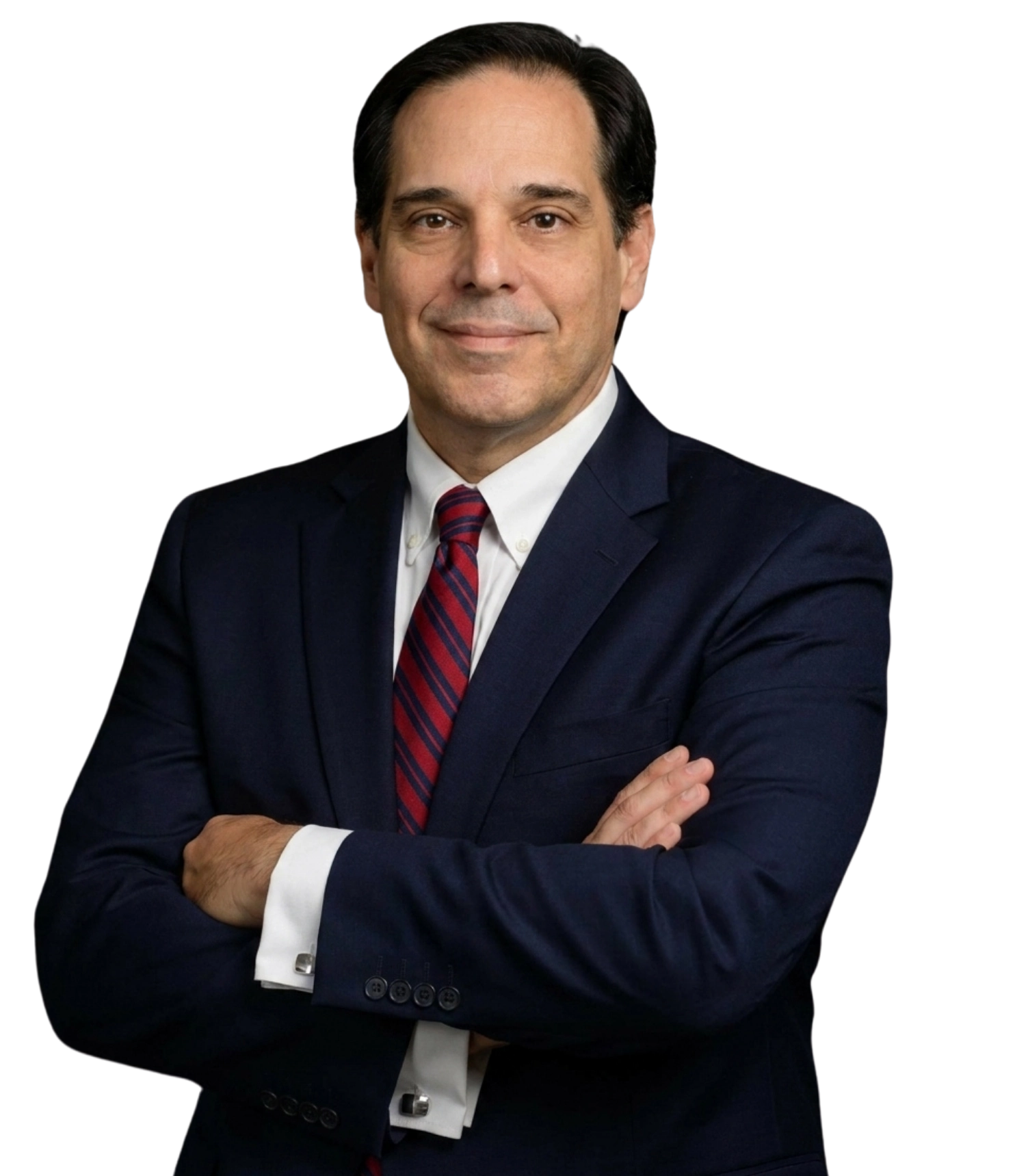

Your Guide to Variances and Special Use Permits
Navigating zoning restrictions in Brushy Creek can feel overwhelming, particularly when your property goals do not align with current land use rules. Variances and special use permits give property owners a path forward when standard zoning would otherwise block a project. Wallace Law PLLC helps clients understand what relief is available and how to pursue it effectively.
Whether you are planning a home addition, opening a new business, or developing a parcel that does not fit the standard zoning category, the application process requires careful preparation. Our team works with property owners, developers, and small business owners across Williamson County to present strong cases before zoning boards and planning commissions, helping turn obstacles into approved projects.
Why Pursuing a Variance or Permit Matters
A successful variance or special use permit can unlock significant property value and allow projects that would otherwise be impossible under strict zoning rules. From setback adjustments to permitted use expansions, these approvals protect your investment and open doors for growth. Strong legal preparation reduces the risk of denial, costly delays, and contested hearings that can derail your plans entirely.
Knowledgeable Representation for Brushy Creek Property Owners

Understanding Variances and Special Use Permits
Need More Information?
Key Terms and Glossary
Variance
A formal exception to zoning rules that allows a property owner to use land in a way that would otherwise violate dimensional or area requirements.
Zoning Board of Adjustment
A local body that hears variance requests and appeals from zoning decisions, with authority to grant or deny relief based on hardship and other criteria.
Special Use Permit
An authorization that allows a specific land use not permitted by right in a zoning district, subject to conditions designed to protect surrounding properties.
Undue Hardship
A legal standard showing that strict application of zoning rules would prevent reasonable use of a property due to unique physical conditions of the land.
PRO TIPS
Document Your Hardship
Variance applications succeed when you can clearly show that your property has unique features that justify relief. Photographs, surveys, and site plans help demonstrate the issue. The more concrete evidence you provide, the stronger your case before the zoning board.
Engage Your Neighbors Early
Opposition from nearby property owners is one of the most common reasons applications get denied. Talking with neighbors before the hearing lets you address concerns and possibly secure letters of support. A cooperative approach often makes the difference at the decision stage.
Know the Local Standards
Every jurisdiction has its own criteria for granting variances and permits. Reviewing the local zoning ordinance and recent board decisions gives you insight into what works. Tailoring your application to these standards greatly improves your chances of approval.
Comparing Your Legal Options
When Full Legal Representation Is Needed:
Contested Hearings
When neighbors or city staff oppose your request, the hearing becomes adversarial. Legal counsel helps you present evidence, cross-examine opposing witnesses, and frame arguments under the proper legal standards. Experienced representation can turn a likely denial into an approval.
Complex Property Issues
Some projects involve overlapping regulations, easements, or environmental constraints that complicate the application. A skilled attorney coordinates with surveyors, engineers, and planners to build a complete record. This thorough approach prevents costly surprises later in the development process.
When a Limited Approach Works:
Routine Setback Adjustments
Minor variance requests like a small setback reduction for a deck or driveway are often straightforward. Property owners can sometimes handle these applications with limited attorney involvement. A short consultation may be enough to confirm the proper forms and evidence.
Uncontested Applications
If neighbors support your project and city staff signals approval, an application may move smoothly. In these cases, document review and basic guidance from an attorney are usually sufficient. Full representation can be reserved for situations where issues actually arise.
Common Situations That Call for This Service
Home Additions and Renovations
Adding square footage or a second story often runs into setback or height limits. A variance can allow the project to move forward without redesigning the entire plan.
Opening a Business in a Mixed Zone
Restaurants, daycares, and service businesses sometimes need special use permits to operate in residential or mixed-use areas. The permit defines conditions like hours, parking, and signage to protect surrounding properties.
Subdividing or Developing Unusual Lots
Irregularly shaped or steeply sloped lots often need variances from minimum lot size or frontage rules. Securing this relief makes development feasible while complying with the spirit of the zoning ordinance.
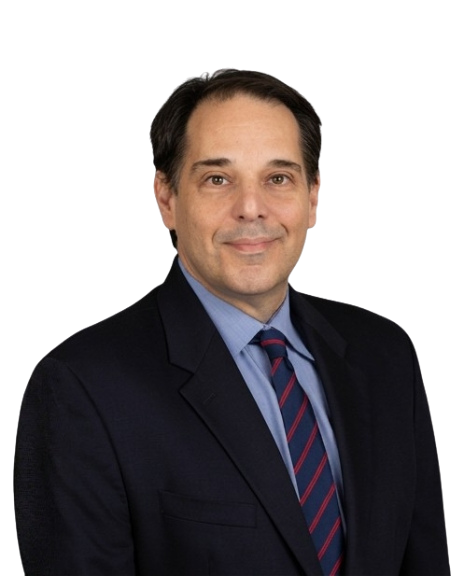
Why Hire Wallace Law PLLC for Your Application
Wallace Law PLLC takes a hands-on approach to every variance and special use permit case. We prepare detailed applications, gather supporting evidence, and present your case clearly before zoning boards. Our focus on preparation means clients walk into hearings confident, knowing their application meets the local criteria and stands up to scrutiny from staff and neighbors.
We serve property owners, developers, and business owners throughout the Brushy Creek area, working efficiently to keep projects on schedule. From initial review through hearing testimony, we communicate clearly about strategy, timing, and likely outcomes. Our goal is approval on terms that work for your project, not just a checkbox process that leaves you with conditions you cannot live with.
Schedule Your Consultation Today
People Also Search For
Zoning Variance Attorney
Special Use Permit Lawyer
Land Use Counsel
Property Development Attorney
Zoning Board Hearing Representation
Conditional Use Permit Help
Real Estate Zoning Lawyer
Municipal Land Use Attorney
Related Services
FAQS
What is the difference between a variance and a special use permit?
A variance grants relief from specific dimensional zoning rules, such as setbacks, height, or lot coverage, when strict enforcement would cause undue hardship due to unique property conditions. It allows you to build or use property in a way that technically violates the code but is justified by circumstances. A special use permit, on the other hand, authorizes a particular use that is not permitted by right in a zoning district but may be allowed if certain conditions are met. Examples include daycares, schools, and certain businesses in residential or mixed-use zones. Each tool serves a different purpose, and choosing the right path depends on your project.
How long does the variance application process take?
Timelines vary by jurisdiction, but most variance applications take between six and twelve weeks from submission to decision. This includes time for staff review, public notice requirements, and scheduling the hearing before the zoning board of adjustment or similar body. Complex applications or those facing opposition can take longer, sometimes requiring continuances or additional hearings. Starting early and submitting a complete application is the best way to avoid delays. We help clients map out the schedule so they can plan construction and financing accordingly.
What evidence do I need to support my variance request?
Supporting evidence typically includes a current survey, site plan, photographs of the property, and documentation of the unique physical conditions creating the hardship. Letters from neighbors, expert opinions from engineers or architects, and comparisons to similar approvals in the area also strengthen your case. The goal is to build a complete record showing that your property has features that make compliance impractical and that your request will not harm the neighborhood. Wallace Law PLLC helps clients gather, organize, and present this evidence in the most persuasive way possible.
Can my neighbors block my variance application?
Neighbors cannot directly block your application, but they can submit written objections and testify at the hearing. Strong neighborhood opposition often influences board members, so it carries real weight in the decision. Engaging neighbors early, addressing their concerns, and sometimes offering project modifications can reduce opposition. When opposition is unavoidable, careful legal preparation and presentation at the hearing become even more important to win approval despite the objections.
What happens if my application is denied?
If your variance or permit is denied, you typically have the right to appeal the decision, either to a higher municipal body or through the district court depending on the jurisdiction. Appeal deadlines are short, often thirty days or less, so prompt action is necessary. Another option is to revise the application and resubmit, addressing the reasons for denial. We review denial decisions carefully to identify the strongest path forward, whether through appeal, revision, or a different approach altogether.
Do I need an attorney to apply for a special use permit?
You are not legally required to have an attorney, but special use permits often involve detailed conditions, public hearings, and standards that benefit from legal preparation. Mistakes in the application or hearing can lead to denial or restrictive conditions that limit your project. An attorney helps you frame the request properly, anticipate objections, and negotiate conditions that protect your interests. For projects with significant investment at stake, legal representation pays for itself by improving the odds of a favorable outcome.
How much does it cost to pursue a variance?
Application fees typically range from a few hundred to a couple thousand dollars depending on the municipality and the type of relief sought. Additional costs include surveys, site plans, mailings to neighbors, and any expert reports needed to support the case. Legal fees vary based on the complexity of the matter and whether the case is contested. We provide clear estimates up front so clients can budget appropriately. For many projects, the cost of pursuing the variance is small compared to the value it unlocks.
Can a special use permit be revoked later?
Yes, special use permits can be revoked if the property owner violates the conditions attached to the approval or fails to maintain the use as approved. Municipalities have authority to enforce permit conditions and may hold hearings to consider revocation when complaints arise. To protect your permit, follow all conditions carefully, keep records of compliance, and address any complaints promptly. If you face a revocation proceeding, legal representation helps you defend the permit and your investment in the property.
What is undue hardship and how do I prove it?
Undue hardship means that strict enforcement of the zoning ordinance prevents a reasonable use of your property due to unique physical conditions, not conditions you created yourself. Examples include irregular lot shapes, severe slopes, or unusual locations of existing structures. Proving hardship requires showing the unique features through surveys and photos, explaining how compliance is impractical, and demonstrating that the request will not harm the neighborhood. Self-created hardships, like buying property knowing it cannot be developed as planned, generally do not qualify.
Do you handle variance cases outside Dallas?
Yes, Wallace Law PLLC is based in Dallas and serves clients throughout Texas, including Williamson County and the Brushy Creek area. We regularly handle variance and special use permit matters in jurisdictions across the state. Much of our work can be done remotely through phone, email, and video conferences, with in-person attendance reserved for hearings and key meetings. This approach keeps costs reasonable while providing the dedicated attention your case deserves regardless of location.