
Protecting Athletes & Programs
NCAA and NIL Compliance Attorney in Dallas, Texas
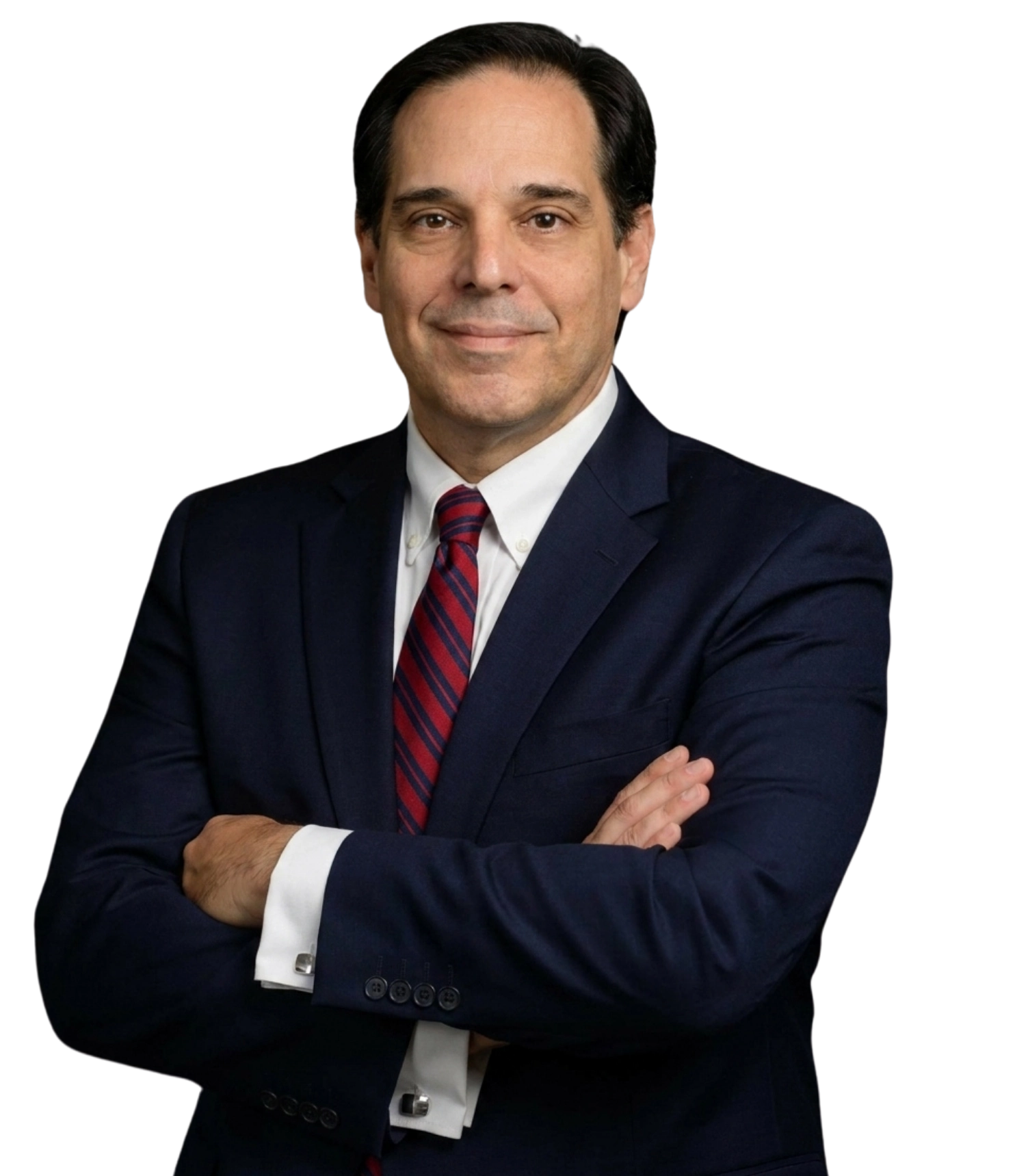

Your Guide to NCAA and NIL Compliance Representation
The landscape of college athletics has changed dramatically with new name, image, and likeness rules, and student-athletes, families, collectives, and universities now face complex regulations that did not exist a few years ago. Wallace Law PLLC guides clients through NCAA bylaws, state NIL statutes, and contractual obligations so that every deal supports eligibility while delivering real value.
Whether you are a Dallas student-athlete signing your first endorsement, a parent reviewing a collective agreement, or a program building compliant NIL infrastructure, our team provides clear legal counsel. We translate dense rulebooks into practical decisions, draft airtight contracts, and respond quickly when compliance questions arise so opportunities are not lost to avoidable mistakes.
Why NCAA and NIL Compliance Counsel Matters
One misstep with an NIL agreement can cost an athlete eligibility, scholarships, and future earnings. Strong legal guidance protects against unfair contract terms, hidden tax burdens, and NCAA infractions that follow athletes for years. With seasoned counsel reviewing each deal, families gain confidence that opportunities will not jeopardize a career or trigger investigations from conference or association regulators.
Our Firm and Steven E. Wallace's Background

Understanding NCAA and NIL Compliance
Need More Information?
Key NIL and NCAA Compliance Terms
Name, Image, and Likeness (NIL)
The right of a student-athlete to earn compensation for the use of their personal identity, including endorsements, autographs, appearances, and social media promotions.
Collective
A booster-funded organization that pools money from supporters to create NIL opportunities for athletes at a specific school through paid activities and content.
Eligibility
An athlete’s qualification to compete at the NCAA level, which can be affected by improper benefits, pay-for-play arrangements, or rule violations connected to NIL deals.
Disclosure Requirement
The obligation to report NIL agreements to the school or conference within a set timeframe, providing details about parties, value, and services rendered under the contract.
PRO TIPS
Read Every Clause Before Signing
Never sign an NIL agreement without a careful legal review. Standard contracts often include exclusivity terms, long durations, and broad image rights that may limit future deals. A short consultation can identify clauses worth negotiating before they become binding obligations.
Track Every Deal and Payment
Keep organized records of every NIL contract, invoice, and payment received. Schools and conferences require timely disclosure, and tax authorities expect accurate reporting. Good documentation prevents compliance problems and makes year-end financial planning much easier for athletes and their families.
Plan for Taxes Early
NIL income is taxable, and many athletes are surprised by quarterly tax obligations as independent contractors. Setting aside funds from each deal avoids painful surprises at filing time. Working with both a lawyer and an accountant early helps protect earnings and keeps athletes in good standing.
Comparing Your NIL Legal Options
When Full-Service NIL Representation Is Needed:
High-Value or Multi-Year Deals
Large endorsement packages and multi-year sponsorships involve complex terms that can shape an athlete’s entire college career. These deals often include performance metrics, morality clauses, and renewal rights. Full-service representation ensures every provision is negotiated to protect the athlete’s long-term value and flexibility.
Collective and Program Structuring
Building or advising a collective requires entity formation, governance documents, fundraising compliance, and detailed athlete agreements. Programs working with collectives also need clear policies. Comprehensive counsel coordinates each piece so the organization operates within NCAA rules, Texas law, and IRS expectations.
When a Limited Approach Is Sufficient:
Single Social Media Promotion
A one-time social media post for a local business may only need a focused contract review. The agreement should still address payment terms, content approval, and disclosure to the school. A short engagement can address these points without the cost of full representation.
Standard Autograph or Appearance Fees
Small appearance or autograph arrangements typically involve straightforward terms and limited risk. A targeted review can confirm proper disclosure language and reasonable compensation. Athletes save on legal costs while still gaining peace of mind that the engagement complies with NCAA and school rules.
Common Situations We Handle
First-Time Endorsement Offer
A student-athlete receives a first endorsement contract and needs guidance on terms, disclosure, and tax implications. We review the agreement, suggest revisions, and confirm it fits NCAA and Texas requirements.
Collective Agreement Review
Athletes considering deals with NIL collectives need clarity on payment schedules, deliverables, and exit terms. Our team examines the contract and negotiates language that protects the athlete’s interests.
Compliance Investigation Response
When a school, conference, or NCAA office raises questions about a deal, prompt legal guidance is essential. We help athletes and programs respond accurately and protect eligibility throughout the inquiry.

Why Choose Wallace Law PLLC for NIL Representation
Wallace Law PLLC brings a focused understanding of entertainment, sports, and contract matters to every NIL engagement. Steven E. Wallace works directly with athletes, families, and program stakeholders to break down complex rules into clear options. Clients in Dallas appreciate the firm’s responsiveness, attention to detail, and commitment to building agreements that hold up under regulatory review.
Beyond contract drafting, our team supports clients through disclosures, negotiations with brands and collectives, and conversations with compliance offices. We treat each athlete’s situation as personal and long-term, helping protect both current earnings and future eligibility. From the first endorsement to senior season and beyond, the firm provides steady, practical counsel.
Schedule Your NIL Consultation Today
People Also Search For
NIL Contract Attorney
Student-Athlete Lawyer
NCAA Compliance Counsel
College Sports Attorney
NIL Collective Lawyer
Endorsement Deal Review
Sports Contract Lawyer
Athlete Representation Texas
Related Services
FAQS
What is NIL and how does it affect college athletes in Texas?
NIL stands for name, image, and likeness, and it refers to a student-athlete’s right to earn money from endorsements, appearances, autographs, and social media. Since the NCAA’s 2021 policy change, college athletes across Texas can sign deals while keeping their eligibility, as long as they follow NCAA, state, and school-specific rules. The impact in Texas has been significant, with collectives, brands, and businesses actively partnering with athletes at every level. However, each opportunity carries legal and tax responsibilities. Working with a knowledgeable attorney helps athletes evaluate deals, complete disclosures, and avoid mistakes that could threaten their college careers.
Can high school athletes in Texas sign NIL deals?
Texas now allows high school athletes to engage in certain NIL activities, though the rules differ from college regulations and continue to evolve. The University Interscholastic League has established guidelines that limit endorsement of specific products and require deals to remain separate from team participation. Families considering NIL opportunities for a high school student should review each offer carefully. A lawyer can help confirm compliance with UIL rules, draft appropriate agreements, and consider how early deals may affect future college eligibility under NCAA standards.
Do I have to disclose every NIL agreement to my school?
Yes, most schools and conferences require student-athletes to disclose NIL agreements, usually within a set number of days after signing. Disclosure typically includes the name of the other party, compensation, services provided, and the duration of the deal. Failing to disclose can lead to eligibility issues, even if the underlying agreement was permissible. Wallace Law PLLC helps athletes track deadlines and prepare accurate disclosure documents so each deal is reported correctly to the proper office.
What happens if I sign an NIL deal that violates NCAA rules?
Signing an NIL deal that violates NCAA rules can result in penalties ranging from required restructuring of the contract to suspension or loss of eligibility. In serious cases, programs may also face investigations and sanctions affecting recruiting and scholarships. If you believe a current agreement may have problems, prompt legal review is important. An attorney can identify violations, negotiate amendments with the other party, and communicate with compliance officials to protect your standing whenever possible.
Are NIL earnings taxable income?
Yes, NIL earnings are treated as taxable income by the IRS and the State of Texas. Athletes typically receive payments as independent contractors, which means no taxes are withheld and quarterly estimated payments may be required to avoid penalties. Proper planning makes a major difference. Setting aside a portion of every payment, tracking deductible expenses, and working with both an attorney and an accountant ensures that earnings are managed responsibly and that filings are accurate at year-end.
What is an NIL collective and how is it different from a sponsor?
An NIL collective is an organization, often funded by boosters and supporters of a particular school, that creates paid opportunities for athletes through promotional work, charitable appearances, and content creation. Collectives are separate from the university itself but operate within NCAA guidelines. A traditional sponsor is usually a company paying an athlete to promote its products or services. Both types of deals require careful contract review, but collectives often involve unique structures and tax considerations that benefit from focused legal guidance.
Should an attorney review every NIL contract, even small ones?
Even small NIL contracts can contain terms that limit future opportunities, transfer image rights broadly, or create unexpected obligations. A quick legal review often reveals issues that an athlete would not spot, such as auto-renewal clauses or exclusivity language. For very simple deals, a limited-scope review may be enough. Larger or longer agreements warrant a more thorough analysis. Either way, having a lawyer involved before signing reduces risk and helps protect the athlete’s long-term interests.
Can international student-athletes participate in NIL deals?
International student-athletes face additional challenges because their visa status often restricts the type of work they can perform in the United States. Many traditional NIL activities can create immigration concerns if not structured carefully. Working with both an immigration advisor and an NIL-focused attorney is important. Wallace Law PLLC coordinates with the appropriate professionals to identify lawful opportunities, such as deals performed outside the country, while keeping the athlete’s visa status secure.
What clauses should I watch out for in an NIL contract?
Common clauses worth careful review include exclusivity, contract length, morality provisions, image rights, termination rights, and payment schedules. Each of these can have a major effect on what an athlete can do during and after the agreement. A detailed contract review focuses on whether the terms are balanced and whether the compensation matches the obligations. Wallace Law PLLC negotiates revisions where needed so athletes do not give up more than the deal is worth.
How does Wallace Law PLLC charge for NIL representation?
Fees depend on the scope of the matter. A single contract review may be handled on a flat-fee basis, while ongoing representation involving multiple deals, collective work, or compliance issues is often structured on an hourly or monthly retainer. During the initial consultation, we discuss goals, review documents, and explain the most practical fee arrangement. Clients in Dallas and across Texas appreciate the transparent approach and the focus on delivering value with every engagement.