
Subdivision and Platting Solutions
Subdivision and Platting Attorney in Vernon

Professional Subdivision and Platting Legal Services
Subdivision and platting are fundamental processes in real estate development that require careful legal attention and understanding of local regulations. Wallace Law PLLC helps clients navigate the complexities of dividing land into smaller parcels and creating detailed plats that comply with all municipal and county requirements. Whether you’re developing a residential community or commercial project, proper subdivision and platting protect your investment and ensure compliance.
Vernon property owners and developers face unique challenges when subdividing land or creating platting documents. Our firm brings knowledgeable guidance to every stage of the process, from initial planning through final approval and recording. We work to ensure your project meets all local zoning laws, environmental standards, and survey requirements while protecting your legal interests throughout.
Why Subdivision and Platting Legal Help Matters
Improper subdivision or platting can result in costly delays, project rejections, and significant financial losses. Professional legal guidance helps you avoid common pitfalls, navigate municipal approval processes efficiently, and ensure all documentation meets regulatory standards. Wallace Law PLLC provides the focused attention your development needs to move forward smoothly and successfully.
Our Approach to Subdivision and Platting Law

Understanding Subdivision and Platting
Need More Information?
Subdivision and Platting Terms Explained
Subdivision
The legal division of a parcel of land into smaller lots or parcels for development, sale, or other purposes. Subdivisions must be properly recorded and comply with local zoning and development regulations.
Easement
A legal right allowing others to use a portion of your property for a specific purpose, such as utility lines, drainage, or access roads. Easements are typically shown on plats and may affect property use.
Plat
An official map or diagram that shows how land is divided into lots, including boundaries, easements, streets, and utility locations. Plats must be prepared by licensed surveyors and approved by local authorities.
Survey
A professional measurement and mapping of property boundaries, conducted by a licensed surveyor. Surveys are essential for accurate subdivision and platting and provide legal documentation of property lines.
PRO TIPS
Start Early with Local Planning
Contact Vernon’s planning and zoning department before beginning your subdivision or platting project to understand specific requirements and timelines. Early consultation helps you design your development in compliance with local standards and avoids costly revisions later. Working with an experienced attorney ensures you address all regulatory requirements from the beginning.
Invest in Professional Surveying
Accurate surveys by licensed professionals form the foundation of proper subdivision and platting documentation. Poor survey work can lead to boundary disputes, regulatory rejections, and expensive corrections. Professional surveyors and legal guidance together ensure your plat is precise and defensible.
Plan for Environmental and Infrastructure Review
Modern subdivision projects often require environmental assessments, utility coordination, and drainage studies before approval. Understanding these requirements early in the process helps you schedule adequate time for reviews and any necessary modifications. Wallace Law PLLC helps coordinate these reviews and ensures compliance with all applicable standards.
Comprehensive vs. Limited Approaches to Subdivision and Platting
When Full Legal Support is Important:
Complex Multi-Lot Developments
Large residential or commercial subdivisions involving multiple lots, common areas, and infrastructure require comprehensive legal coordination with municipal authorities and utilities. These projects benefit from experienced guidance through every approval stage and documentation step. Wallace Law PLLC provides the focused attention these complex projects demand.
Projects with Environmental or Regulatory Complexity
Subdivisions near waterways, wetlands, or areas with special environmental protections require careful legal review and coordination with regulatory agencies. Comprehensive legal support ensures all environmental requirements are addressed and documented properly. This thorough approach protects your project and prevents costly delays or rejections.
When Simpler Solutions May Work:
Simple Two-Lot Divisions
Straightforward divisions of property into two or three lots with minimal infrastructure changes may require less extensive legal involvement. Even in these simpler situations, professional guidance ensures compliance with all recording and zoning requirements. A brief consultation with an attorney can clarify what your specific project needs.
Projects in Areas with Minimal Regulatory Barriers
Rural subdivisions in areas with fewer environmental restrictions or infrastructure complications may move through approval processes more quickly. However, even these projects benefit from legal review to ensure proper documentation and compliance. Wallace Law PLLC can assess your project’s complexity and recommend the appropriate level of support.
When Subdivision and Platting Services Are Needed
Residential Development Projects
Creating new residential subdivisions or adding phases to existing communities requires professional subdivision and platting work. Legal guidance ensures proper documentation and timely approval from Vernon authorities.
Commercial Property Divisions
Dividing commercial property for multiple tenants or selling portions of larger parcels requires accurate platting and legal compliance. Professional services protect your interests and facilitate smooth transactions.
Agricultural or Rural Land Subdivisions
Dividing farmland or rural properties for sale or development involves unique regulatory considerations and surveying requirements. Legal expertise ensures compliance with all applicable zoning and agricultural regulations.

Why Choose Wallace Law PLLC for Subdivision and Platting
Wallace Law PLLC brings focused knowledge of Texas real estate law and Vernon’s specific regulatory environment to every subdivision and platting project. We handle all coordination with local authorities, surveyors, and other professionals involved in the approval process. Our thorough approach helps your project move forward efficiently while ensuring complete compliance with all requirements.
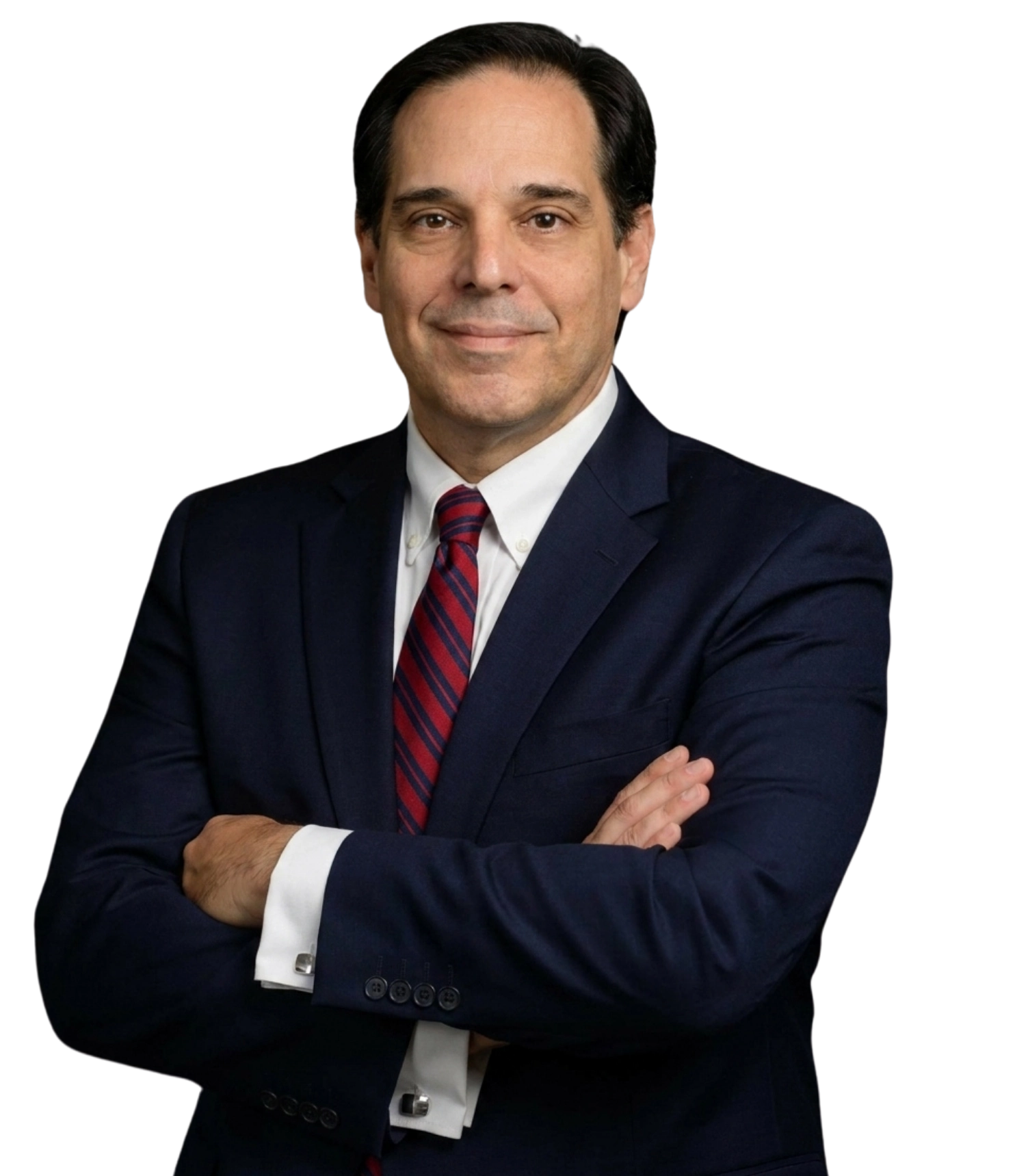
Whether your project is simple or complex, we provide personalized attention to ensure success. Steven E. Wallace works directly with clients to understand their development goals and deliver solutions that protect their interests. Contact us today to discuss your subdivision or platting needs and learn how we can help your project succeed.
Get Started With Your Subdivision and Platting Project
People Also Search For
Real Estate Development
Land Surveying
Zoning Compliance
Property Division
Municipal Approvals
Easement Rights
Boundary Disputes
Development Planning
Related Services
FAQS
What is the difference between subdivision and platting?
Subdivision is the legal process of dividing land into smaller parcels, while platting is creating the official map that documents those divisions. A plat shows lot boundaries, easements, streets, and other important information. Both processes are required for most property divisions and must comply with state and local regulations. Think of subdivision as the concept and platting as the documentation that makes it official and legally binding. Both require professional surveying and government approval before recording. Wallace Law PLLC handles all aspects of both processes to ensure proper completion.
How long does the subdivision and platting process typically take?
Timeline varies significantly depending on project complexity, local requirements, and whether environmental or other special reviews are needed. Simple two-lot divisions might take two to four months, while larger residential subdivisions could require six months to over a year. Early planning and professional coordination help minimize delays. Working with an experienced attorney helps identify potential bottlenecks early and keeps the process moving efficiently. Wallace Law PLLC manages municipal coordination and ensures all documentation meets requirements, helping your project stay on schedule.
Do I need a licensed surveyor for my subdivision project?
Yes, most subdivision and platting projects require a licensed surveyor to prepare accurate boundary documentation and plats. Texas law requires plats to be prepared by or under the supervision of a licensed surveyor. Professional surveys provide the legal documentation necessary for government approval and property records. While the surveyor handles measurements and mapping, your attorney ensures all legal requirements are met and coordinates with municipal authorities. This combined approach protects your investment and ensures a smooth approval process.
What happens if my plat is rejected by the city or county?
Rejection typically means the plat doesn’t comply with local zoning, infrastructure, environmental, or other regulatory requirements. Common reasons include inadequate setbacks, improper easement documentation, or environmental concerns. Your attorney can review the rejection, identify the specific issues, and work with authorities to determine required modifications. Rejections don’t necessarily mean the project can’t proceed, but addressing them requires understanding local requirements and potentially redesigning portions of your subdivision. Wallace Law PLLC has experience working through these challenges and negotiating solutions with Vernon authorities.
What costs are involved in subdivision and platting?
Costs vary based on project size and complexity but typically include surveying fees, legal fees for document preparation and coordination, municipal application fees, and recording costs. Environmental reviews, special studies, or utility coordination add to project expenses. Simple two-lot divisions cost significantly less than large residential subdivisions with infrastructure improvements. Wallace Law PLLC provides transparent fee information after reviewing your specific project. Our role is to coordinate the process efficiently and help you understand all costs involved before proceeding with your subdivision or platting project.
Can I subdivide my property without municipal approval?
No, Texas law requires subdivision approval and platting from the appropriate municipal or county authority before the division is legal and recordable. Subdividing without proper approval can result in the division being invalid and create significant legal problems when selling or developing the property. All subdivisions must comply with applicable zoning, infrastructure, and environmental standards. Even if you don’t plan to develop the property immediately, proper subdivision and platting protect your interests and allow future buyers to rely on legally documented lot divisions. This makes professional legal guidance essential for any subdivision project.
What is an easement and why does it matter for my plat?
An easement is a legal right allowing others to use a portion of your property for a specific purpose, such as utility lines, drainage, or road access. Easements must be clearly identified on your plat and significantly impact how land can be used and developed. Utility easements are common and typically run across properties for electricity, water, sewer, or gas lines. Proper easement documentation on your plat protects both your rights and those of other property owners. Wallace Law PLLC ensures all easements are correctly identified and documented to avoid future disputes or development complications.
What happens after my plat is approved and recorded?
Once approved and recorded with the appropriate county office, your plat becomes the official legal document defining lot boundaries and property divisions. Individual lots can then be sold, developed, or conveyed independently based on the recorded plat. The recorded plat provides legal certainty for all parties and appears in property records. Recording is the final step that makes your subdivision legally binding and enforceable. Wallace Law PLLC handles all recording procedures and ensures proper documentation reaches the correct county office with all required signatures and certifications.
Are there special requirements for subdivisions near water or environmentally sensitive areas?
Yes, subdivisions near waterways, wetlands, or other environmentally sensitive areas face additional regulatory requirements from state and federal agencies. Environmental assessments, wetland studies, and specialized surveys may be required before approval. These projects also face stricter design standards for stormwater management and habitat protection. Navigating environmental requirements adds complexity but is essential for project success. Wallace Law PLLC coordinates with environmental agencies and ensures your subdivision meets all protection standards while allowing your development to proceed.
Can I modify my subdivision plat after it's been recorded?
Modifications to a recorded plat are possible through an amendment or replat process, but they require formal municipal approval and re-recording. The process for modifications is similar to the original approval and may face additional scrutiny depending on what changes are proposed. Significant changes may also trigger new environmental or infrastructure reviews. Modifications are most successful when they address minor issues or accommodate changes in development plans while maintaining overall compliance with regulations. Wallace Law PLLC can advise whether your proposed modifications are feasible and guide you through the formal amendment process if needed.